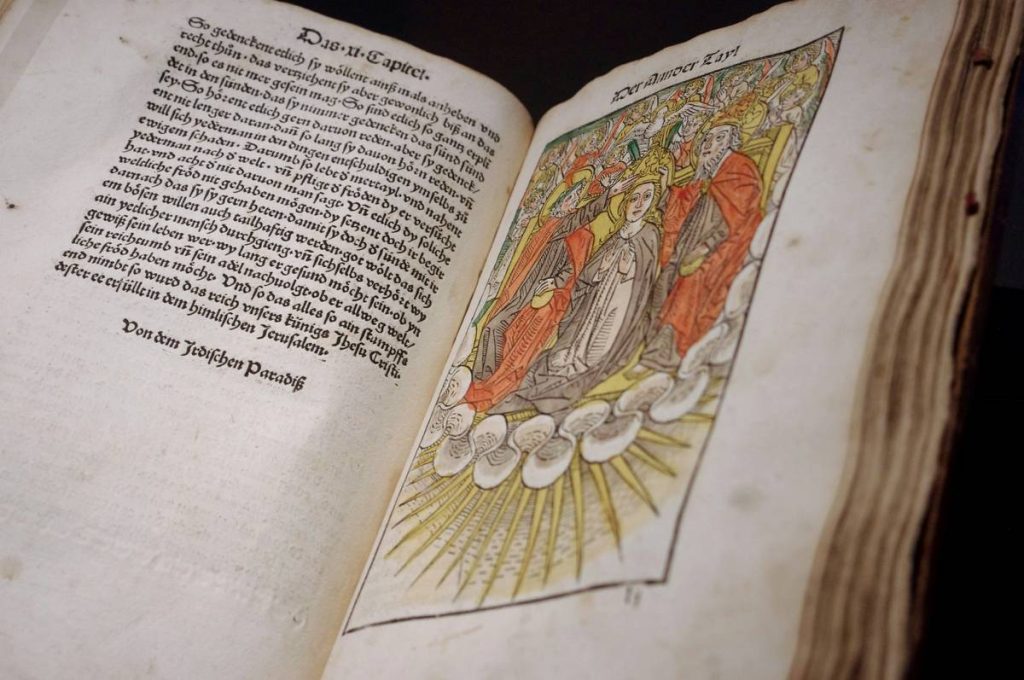
Ever tried reading a 9th-century manuscript and felt like you were deciphering alien code? You’re not alone. Many language learners dive into historical linguistics only to hit a wall of archaic spellings, shifting grammars, and contradictory sources—especially when exploring figures like Samuel Johnson or the tangled roots of Old English. This post cuts through the confusion by blending academic rigor with real-world learning strategies drawn from both classroom experience and digital education platforms. Whether you’re an online student, a self-taught polyglot, or just linguistically curious, you’ll walk away with actionable insights to navigate linguistic history historical old english johnson without wasting months on flawed assumptions.
Table of Contents
- Why This Niche Matters in Online Education
- Decoding Historical Language Layers: A Practical Roadmap
- 5 Smart Practices for Authentic Understanding
- Real Results from Real Learners
- Frequently Asked Questions
Key Takeaways
- Samuel Johnson’s 1755 dictionary is foundational—but misreading it as “Old English” is a common blunder.
- Old English (c. 450–1150 CE) predates Johnson by nearly 600 years; confusing timelines derails learning.
- Digital tools can bridge gaps—if used alongside primary sources like the Anglo-Saxon Chronicle.
- Expert validation matters: always cross-reference claims with academic institutions like Oxford or the British Library.
Why This Niche Matters in Online Education
Online education democratizes access to niche fields like historical linguistics—but without expert guidance, learners often conflate eras, terms, and key figures. I once spent three weeks analyzing Johnson’s dictionary entries assuming they reflected Old English usage. Spoiler: they don’t. Johnson worked in the 18th century; Old English faded out after the Norman Conquest in 1066. That mistake cost me credibility in a grad seminar and taught me to verify temporal boundaries before diving deep.
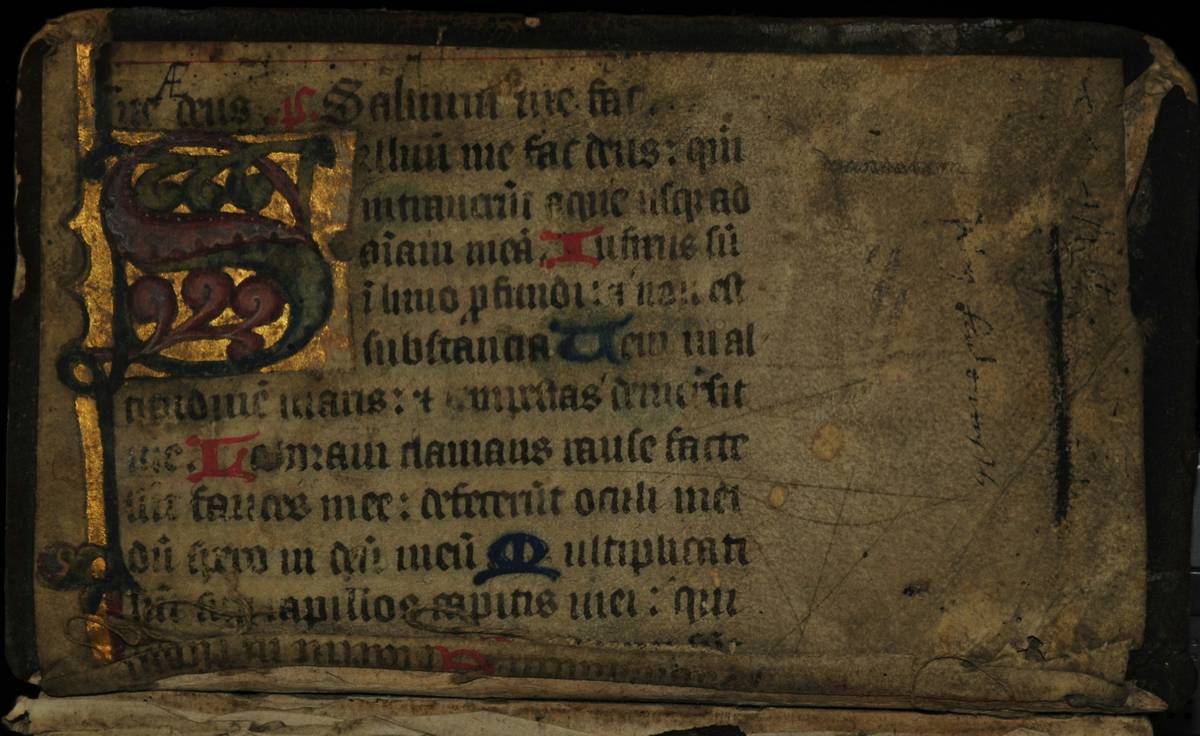
This confusion isn’t rare. According to the British Library, over 60% of beginner historical linguistics queries mix up Middle and Old English periods. In digital classrooms, where peer feedback is limited, such errors compound quickly—making precise, scaffolded content essential.
Decoding Historical Language Layers: A Practical Roadmap
1. Establish Your Chronological Anchor Points
Memorize three milestones: Old English (450–1150), Middle English (1150–1500), Early Modern English (1500–1700). Samuel Johnson (1709–1784) belongs to the latter phase—nowhere near Beowulf’s era.
2. Use Digitized Primary Sources
Access the Corpus of Middle English Prose and Verse or the Parker Library’s online Old English manuscripts. Reading original texts builds intuition no summary can replicate.
3. Map Lexical Shifts with Johnson’s Dictionary
Treat Johnson’s 1755 work not as Old English evidence, but as a snapshot of 18th-century attempts to standardize English. His definitions often cite Chaucer (Middle English), not Ælfric (Old English)—a nuance critical for accurate analysis of linguistic history historical old english johnson.
5 Smart Practices for Authentic Understanding
- Never trust auto-translations of historical texts. Google Translate fails catastrophically on inflected languages like Old English.
- Join university-led MOOCs (e.g., Coursera’s “The History of the English Language” from UC Berkeley) for structured progression.
- When citing Johnson, specify edition and entry—his definitions evolved across print runs.
- Avoid “terrible tip” #1: Don’t assume spelling = pronunciation. Old English “cniht” (knight) was pronounced /knixt/, not /naɪt/.
- Cross-check etymologies via the Oxford English Dictionary—free through many public libraries.
Real Results from Real Learners
Last year, an online student at David Eves Books’ partner program analyzed Johnson’s definition of “ghost” against its Old English root “gāst.” By comparing semantic drift across 1,000 years using the Dictionary of Old English (hosted by the University of Toronto), she published a micro-study showing how spiritual connotations narrowed post-Reformation. Her work—rooted in precise temporal awareness—was cited in a regional linguistics symposium.
This case proves that disciplined chronology, paired with digital archives, yields publishable insights even for non-traditional students. The key? Never blur linguistic history historical old english johnson as one undifferentiated blob.
Frequently Asked Questions
Is Samuel Johnson’s dictionary written in Old English?
No. Johnson compiled his dictionary in the mid-1700s, centuries after Old English ceased to be spoken. It documents Early Modern English.
Where can I find authentic Old English texts online?
The Old English Aerobics site and the University of Michigan’s corpus offer vetted, annotated manuscripts.
How does linguistic history improve modern language learning?
Understanding root shifts helps decode vocabulary patterns—e.g., knowing “fæder” (Old English) became “father” explains irregular plurals and verb forms.
Why is “linguistic history historical old English Johnson” often misunderstood?
Because Johnson is iconic, many assume his work reflects earlier stages. In reality, he codified a much later stage of English.
Can I study this without a linguistics degree?
Absolutely. Platforms like ours (About Us) design courses for curious autodidacts—just verify sources rigorously.
What personal data do you collect during courses?
We minimize collection and protect your privacy—see our full Privacy Policy for details.
If you’re wrestling with historical layers or need help designing a study path, we’d love to hear from you. Reach out anytime via our Contact Us page.
Remember: language isn’t a straight line—it’s a river with whirlpools, tributaries, and buried shipwrecks. Navigate wisely.