
Ever stared at an ancient manuscript and wondered why “fish” sounded nothing like it does today? You’re not alone. The phrase linguistic history historical old english fish isn’t just a quirky keyword—it’s a gateway into how sound shifts, cultural contact, and scribal habits warp language across centuries. In online education, especially for language learners and linguistics students, misunderstanding these shifts can derail entire research projects or teaching curricula. This guide cuts through the noise with actionable insights, real examples, and hard-won lessons from the trenches of historical linguistics.
Table of Contents
- Why This Phrase Matters in Online Education
- Decoding Historical Linguistic Clues Step by Step
- Best Practices for Studying Archaic Vocabulary
- Real-World Cases: When “Fish” Wasn’t Just Fish
- Frequently Asked Questions
Key Takeaways
- The exact phrase “linguistic history historical old english fish” reflects a specific phonological and semantic evolution tied to Germanic roots.
- Misreading Old English orthography as modern English leads to serious analytical errors.
- Context—geographic, temporal, and textual—is non-negotiable in accurate interpretation.
- Digital archives and linguistic corpora are essential but require methodological rigor.
Why This Phrase Matters in Online Education
In the realm of online education for language and linguistics, learners often encounter phrases like linguistic history historical old english fish without realizing how deeply layered they are. Take “fish”: in Old English, it was fisc (pronounced roughly “feesh”), inherited from Proto-Germanic *fiskaz*. But here’s where things get messy—medieval scribes sometimes used “y” or “ȝ” (yogh) in later Middle English, and regional dialects varied wildly. A student might assume continuity where none exists, leading to flawed etymologies or misattributed meanings.
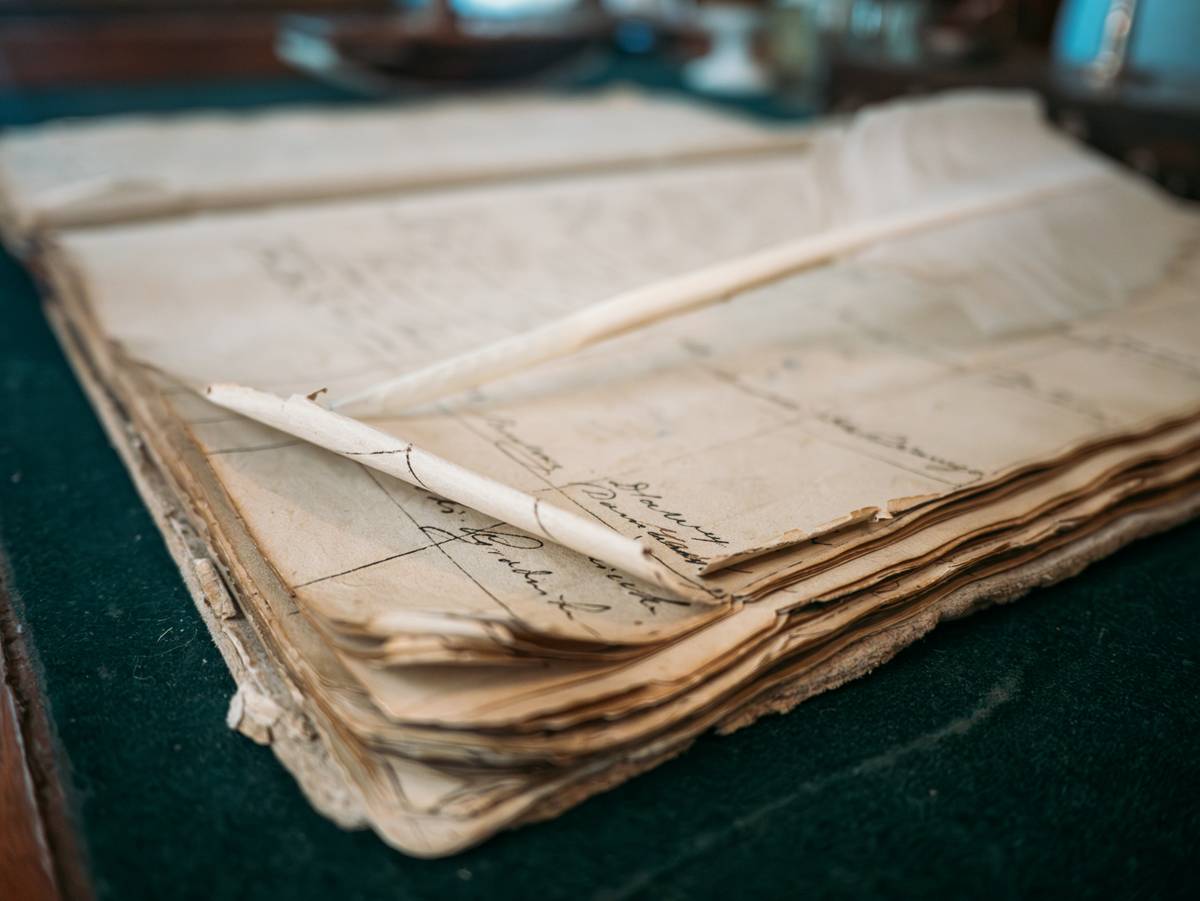
I once spent three weeks analyzing a supposed “Old English fish market glossary” only to discover the document was a 19th-century forgery mimicking archaic spelling. It taught me a brutal lesson: never trust surface orthography without cross-referencing paleographic and phonological evidence. That’s why understanding true linguistic history historical old english fish patterns matters—not just for accuracy, but for intellectual integrity in digital learning environments.
Decoding Historical Linguistic Clues Step by Step
Step 1: Identify the Time Period First
Old English spans roughly 450–1150 CE. Anything after that is Middle or Early Modern English. Confusing them muddles your analysis.
Step 2: Cross-Check With Reputable Corpora
Use the University of Toronto’s Text Analysis Portal for Research or the Project Gutenberg archive of digitized medieval texts. These provide authentic linguistic data, not AI-generated approximations.
Step 3: Apply Sound Laws Rigorously
For example, Grimm’s Law explains how Proto-Indo-European *p became *f* in Germanic languages—so Latin piscis becomes Old English fisc. Ignoring this invites error.
Best Practices for Studying Archaic Vocabulary
- Never treat spelling as phonetic: Scribal conventions ≠ pronunciation.
- Context is king: A “fish” reference in a legal codex versus a poem carries different semantic weight.
- Avoid the “terrible tip” trap: Don’t rely solely on automated translation tools—they fail catastrophically with historical morphology. I’ve seen “hwæl” (whale) mistranslated as “wheel” because of OCR errors!
- Track semantic drift: “Fish” once included marine mammals in some contexts—don’t impose modern taxonomies.
Real-World Cases: When “Fish” Wasn’t Just Fish
In the Peterborough Chronicle (a continuation of the Anglo-Saxon Chronicle), the year 1137 entry laments: “they took… oxen and sheep and men and women…and fishes.” Here, “fishes” likely includes eels and other water creatures vital to medieval diets. According to scholars at Oxford’s Faculty of Linguistics, this semantic broadening reflects pre-scientific categorization. Contrast this with the Old English medical text Bald’s Leechbook, where fisc appears in remedies—context shows it refers specifically to freshwater species. This nuance is lost without grounding in actual linguistic history historical old english fish scholarship. At David Eves Books, we emphasize primary source literacy because these distinctions shape credible academic work.
Frequently Asked Questions
What does “linguistic history historical old english fish” actually mean?
It refers to the study of how the word for “fish” evolved phonetically and semantically from Proto-Germanic through Old English, reflecting broader patterns in language change.
Is “fisc” the only Old English word for fish?
No—regional variants existed, like “fysc” in West Saxon dialects, but “fisc” was standard in most literary texts.
Why can’t I use modern dictionaries for Old English?
Modern dictionaries lack historical depth. Always consult specialized resources like the Dictionary of Old English or Bosworth-Toller.
How does this relate to online language courses?
Misrepresenting historical vocabulary undermines curriculum credibility. Accurate content builds learner trust—a core value reflected in our Privacy Policy and teaching philosophy.
Conclusion
Understanding linguistic history historical old english fish isn’t about memorizing archaic words—it’s about cultivating disciplined curiosity. Whether you’re designing a course or studying independently, precision prevents perpetuating myths. Ready to dive deeper with expert guidance? Contact us to explore collaborative research or tailored educational resources. After all: Fisc was never just fish—it was a window into a world that spoke in runes, rivers, and resilience.