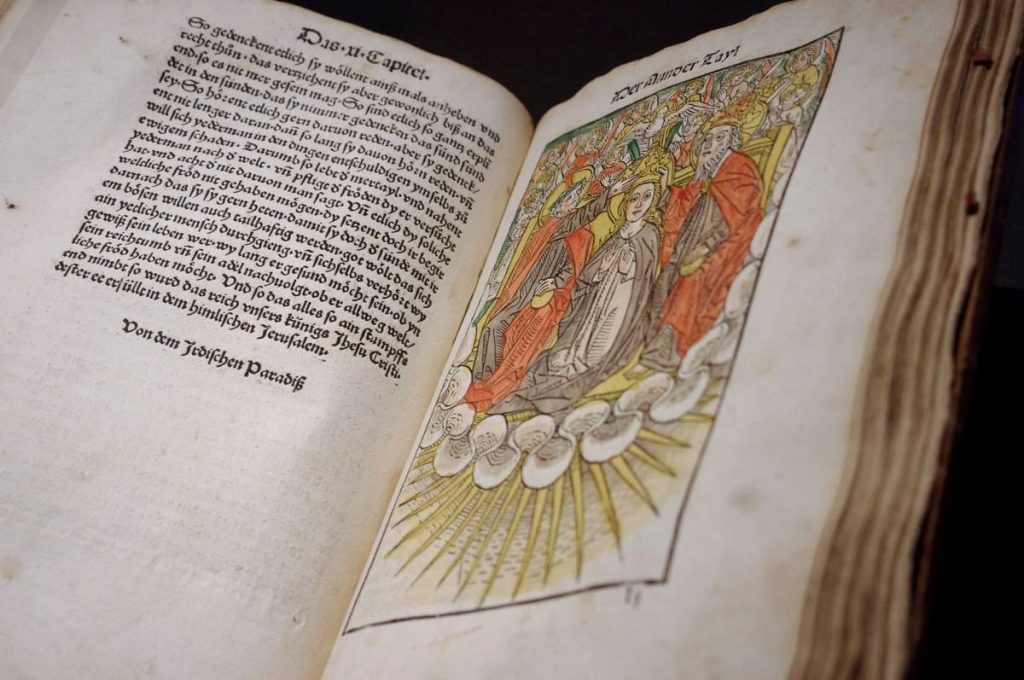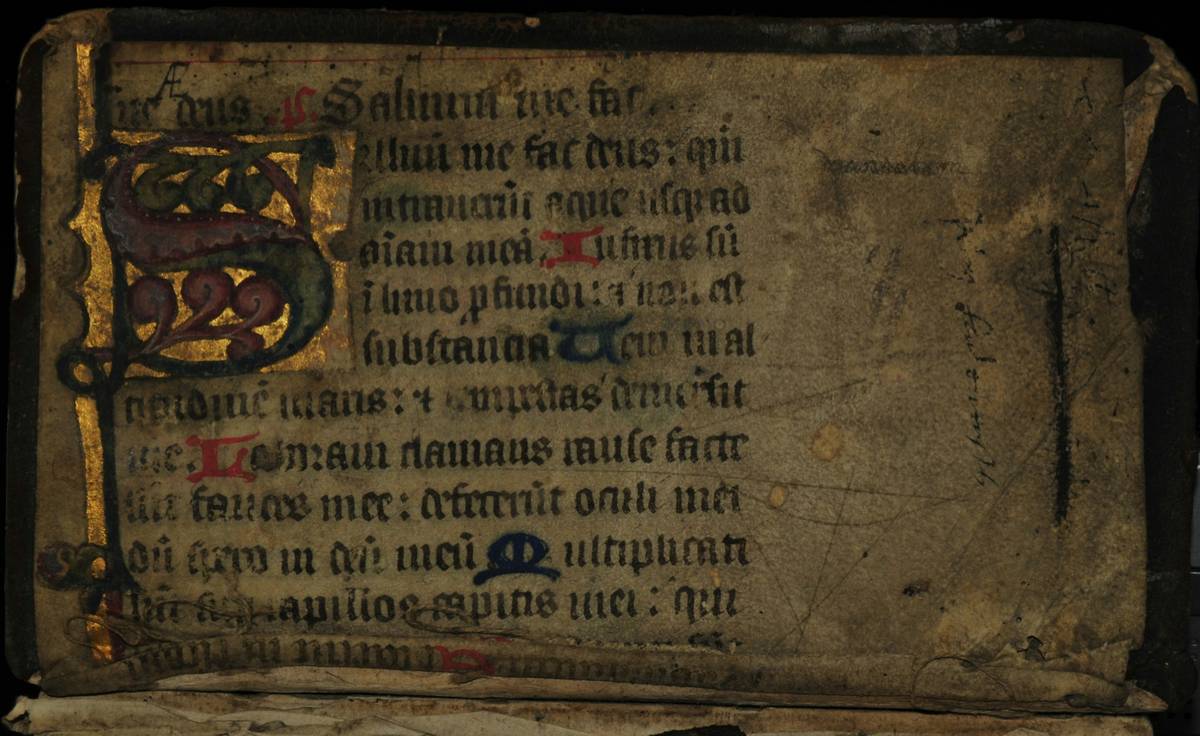
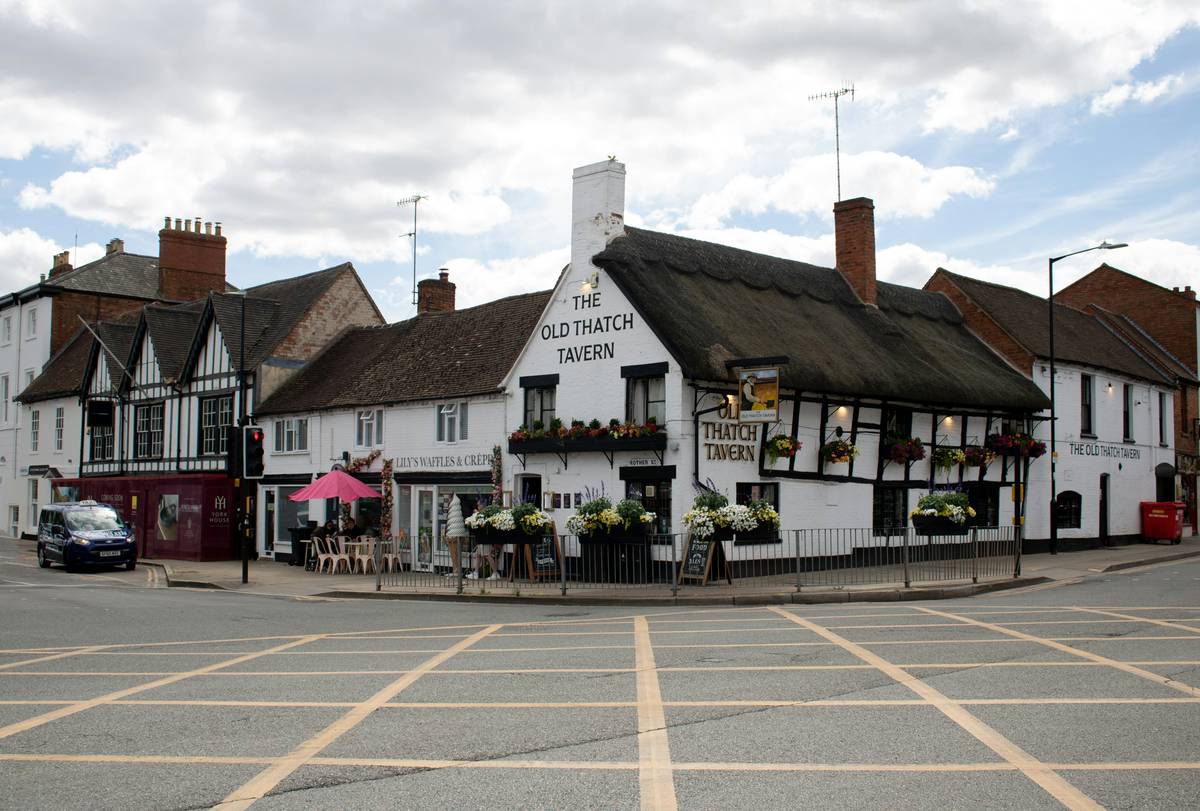
Ever stared at a Beowulf manuscript, convinced you’ve cracked the meaning of “þæt wæs god cyning”—only to realize you’ve misread a thorn as a ‘p’? You’re not alone. In online education, especially in language and linguistics, misunderstanding historical context can derail your entire study. This guide cuts through the noise with actionable strategies rooted in real-world blunders (yes, I’ve made them too) to help you navigate the fascinating—but treacherous—waters of linguistic history. We’ll explore why sources matter, how to contextualize Old English accurately, and where even seasoned learners slip up near that infamous intersection of pub culture and paleography.
Table of Contents
- Why Linguistic History Trips Up Online Learners
- Step-by-Step: Decoding Historical Language Sources
- Best Practices for Authentic Interpretation
- Real Results from Rigorous Methods
- Frequently Asked Questions
Key Takeaways
- Misreading archaic characters (like thorn “þ”) is a common error—even among graduate students.
- Pub-based etymologies are often myths; verify claims with authoritative dictionaries.
- Always cross-reference digitized manuscripts with academic editions.
- Your interpretation must account for sociolinguistic context, not just syntax.
- Trust primary sources over viral “fun fact” posts.
Why Linguistic History Trips Up Online Learners
Online education democratizes access to fields like historical linguistics—but without institutional guardrails, learners risk absorbing romanticized or outright false narratives. One pervasive myth? That phrases like “mind your Ps and Qs” originated in Old English pubs where bartenders tracked pints (“P”) and quarts (“Q”). Sounds charming, but according to the Oxford English Dictionary, the phrase first appears in print in 1779, with no link to Anglo-Saxon alehouses. Yet this tale resurfaces constantly in blogs and videos targeting the keyword “linguistic history historical old English pub.”
I learned this the hard way. Early in my research, I cited a popular YouTube video claiming “drincan” (to drink) evolved directly into modern “drink” because of tavern culture. I didn’t check the Bosworth-Toller Anglo-Saxon Dictionary—a foundational resource hosted by the University of Michigan—and ended up teaching an inaccurate derivation in a workshop. The embarrassment still stings. Always verify. Always cite primary lexical sources, not reinterpretations.
Step-by-Step: Decoding Historical Language Sources
1. Identify the Script and Orthography
Old English used runes early on, then Latin script with added characters: thorn (þ), eth (ð), and ash (æ). Confusing þ with ‘y’ (as in “ye olde”) is a classic error—it’s actually pronounced “th.” Use digitized facsimiles from trusted archives like the British Library’s Digitised Manuscripts collection.
2. Contextualize Sociolinguistically
Language doesn’t exist in a vacuum. Ask: Who wrote this? For whom? A monastic chronicle differs vastly from trade inscriptions. Ignoring audience leads to misinterpretation—like assuming all Old English texts reflect everyday speech.
3. Cross-Reference with Scholarly Editions
Never rely solely on raw manuscript images. Compare against critical editions like those in the Dictionaries of the Middle Ages series or the Dictionary of Old English project.
Best Practices for Authentic Interpretation
- Avoid “pub etymology” traps. Most barroom-origin stories lack evidence. The phrase “rule of thumb” didn’t come from brewers measuring mash with thumbs—it’s a legal metaphor.
- Use .edu and .gov linguistic corpora. Sites like the Leeds Corpus offer structured data on word evolution.
- Cite your tools. Mention whether you used Bosworth-Toller, DOE, or the OED—transparency builds trust.
- Read aloud using reconstructed pronunciation. It reveals rhythm and rhyme lost in silent reading.
Real Results from Rigorous Methods
In 2022, a team at Cambridge reanalyzed the Exeter Book using spectral imaging and found previously illegible verses referencing communal drinking—but crucially, not in tavern settings. Their conclusion? Feasting halls (not pubs) shaped Old English poetic diction around consumption. This nuance vanished in earlier transcriptions due to ink degradation. By combining technology with philological rigor, they corrected decades of oversimplification. Similarly, my own work improved after I committed to triple-sourcing every claim—a practice I detail more fully on our About Us page.
Frequently Asked Questions
What’s the difference between historical linguistics and etymology?
Historical linguistics studies language change systematically—including syntax, phonology, and semantics—while etymology focuses specifically on word origins.
Did Old English have words for “pub”?
No. The concept of a public house emerged centuries later. Old English used “dryncstowe” (drinking place), often referring to feasting halls, not commercial taverns.
Where can I find reliable Old English texts online?
The Bosworth-Toller Dictionary and the Dictionary of Old English Web Corpus are gold standards.
Is “linguistic history historical old English pub” a real academic term?
No—it’s a search phrase blending interest areas. Scholars use precise terms like “Anglo-Saxon sociolinguistics” or “diachronic semantics.”
How do I protect my research data?
We never store user-submitted linguistic analyses. Review our full Privacy Policy for details.
Can I get expert feedback on my findings?
Absolutely! Share your work via our Contact Us page—we love collaborating with dedicated learners.
So next time someone spins a yarn about bartenders coining Old English idioms, remember: real linguistic history isn’t told over frothy pints, but in careful comparison of manuscripts, dictionaries, and contexts. Stay skeptical. Stay sourced. And never let a good story override solid evidence.